
Fund Snapshot
| Fund Attribute | Details |
| Trust Setup Name | ACME Alternative Investment Trust / ACME Group |
| Sponsor / Investment Manager | ACME Finvest Private Limited / ACME Corporate Advisors |
| Trustee Services | ACME Trusteeship Services Private Limited |
| Corporate Head Office | Connaught Place, New Delhi, India |
| Regulatory Category | SEBI Registered Alternative Investment Fund – Category III |
| Target Investable Instruments | Complex listed equity structures, derivative models, hedging mechanisms |
| Regulatory Leverage Limit | Capped at a maximum of 2 times Net Asset Value (2x NAV) |
| Minimum Statutory Contribution | ₹1 Crore (Mandated regulatory threshold for Indian AIF platforms) |
| Target Onboarding Investors | High-Net-Worth Individuals (HNIs), Corporate Treasuries, Family Offices |
| Core Structural Modality | Typically open-ended or close-ended absolute return strategies |
Strategy Overview
The ACME Category III AIF Trust represents the institutional alternative asset pooling engine managed under the master banner of the New Delhi-headquartered ACME Group. Unlike standard public market mutual funds or traditional discretionary Portfolio Management Services (PMS), a Category III AIF structure grants the fund management team the highest level of flexible asset deployment permitted by Indian regulators.
The trust operates targeted, high-conviction alternative pooling schemes designed to optimize absolute capital compounding. Because a Category III license permits active structural hedging and trading flexibility, the fund is engineered to maneuver through volatile market corrections by utilizing long-short positions, derivative risk management tools, and private investment in public equity (PIPE) allocations that are legally inaccessible within retail mutual fund structures.
Investment Philosophy
The corporate investment committee manages the pools under the ACME Category III AIF framework by implementing an unconstrained, risk-hedged philosophy built around three main pillars:
I. Absolute Return Orientation Over Index Tracking
The fund operates under a completely benchmark-agnostic mandate. The core target is the consistent compounding of absolute alpha across fluctuating capital market cycles. Instead of merely tracking or replicating index sector distributions, the fund targets structural economic themes and unique corporate special situations where the absolute value-creation runway is independent of general index performance.
II. Dynamic Derivative Anchoring and Risk Shoring
Because Category III funds are legally permitted to deploy leverage and derivatives, the investment philosophy uses these instruments strictly as volatility shields and return enhancers rather than speculative tools. The desk deploys systematic pair trades, listed stock options, and dynamic index hedging to reduce structural portfolio drawdowns during macroeconomic crises, maintaining capital protection boundaries that long-only funds cannot replicate.
III. Deep-Dive Private Placement and PIPE Syndication
The fund aggressively utilizes its alternative mandate to participate in complex institutional transaction channels. This involves backing listed companies through structured Private Investments in Public Equity (PIPE), pre-IPO blocks, and exclusive anchor investor quotas. By evaluating target entities through rigorous bottom-up forensic audits and scuttlebutt verification, the fund captures discounted entry pricing in high-growth companies.
Listen to expert conversations and investment insights anytime on Spotify.

Watch our podcast episodes featuring expert interviews, market insights, investment strategies, and in-depth discussions on the latest financial trends.

Learn about the experienced fund managers responsible for investment decisions, portfolio strategy, and long-term fund performance.
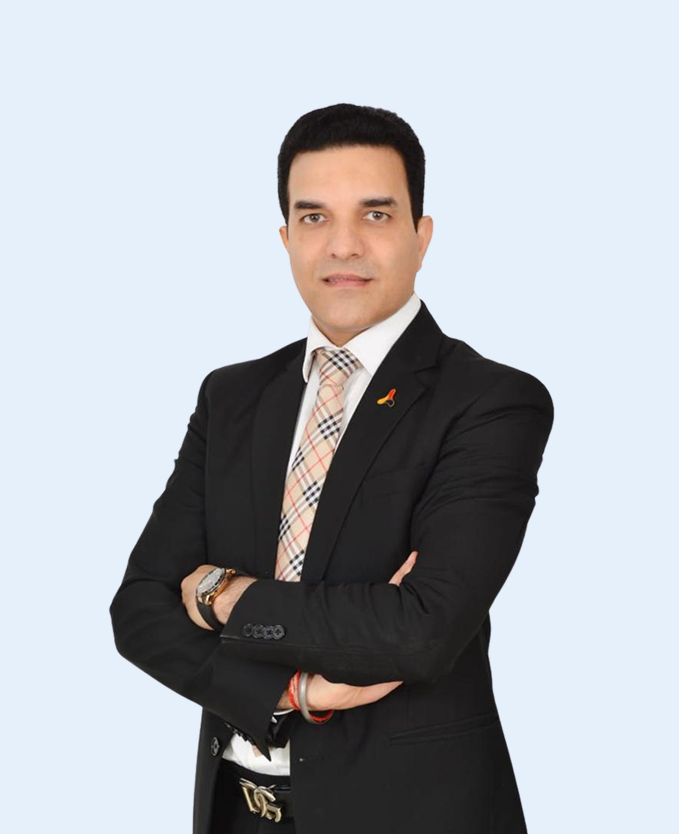
Raman Talwar
Raman Talwar serves as the Chief Executive Officer and Managing Director of ACME Capital Market Limited, driving the group's overarching corporate blueprint, digital expansion strategy, and institutional compliance architectures. A seasoned financial services veteran, he acts as a director and core decision-maker across multiple corporate subsidiaries, including ACME Finvest Private Limited, ACME Wealth Private Limited, and ACME Trusteeship Services. Under his leadership, the firm has focused heavily on blending high-speed financial technology with conservative corporate risk-management practices to eliminate transactional friction for retail and high-net-worth allocators.
View Profile →Our Investment Experts
Our experts will understand your goals, map the right strategy across AIFs, PMS, Mutual Funds and Wealth Solutions, and guide you through every step.
Find answers to common questions about fund investments, performance, portfolio strategy, and investor services.
The core distinction lies in structural trading flexibility and asset utility. Category I and II AIFs are generally strictly close-ended, long-term structures restricted to unlisted equity, infrastructure, or venture capital without any room for structural leverage. A Category III AIF structure is unique because it is the only vehicle permitted by SEBI to employ operational leverage (up to 2x NAV) and trade listed derivatives for hedging or active long-short absolute return plays.
The administrative governance, fund compliance verification, and oversight of asset boundaries under this framework are managed internally by the group's specialized corporate trust division, ACME Trusteeship Services Private Limited. Operating out of Connaught Place, New Delhi, the trustee entity ensures that all scheme operations align precisely with the Private Placement Memorandum (PPM) parameters filed with SEBI.
In strict compliance with the statutory investor protection limits established by the Securities and Exchange Board of India (SEBI) for all non-accredited alternative investment accounts, the absolute minimum ticket size required to onboard an investor is ₹1 Crore. Unlike standard retail funds, this capital is frequently called down in structured, milestone-based tranches rather than an initial upfront lump sum.
Category III AIF structures carry a unique tax position compared to other funds because they do not enjoy standard pass-through tax status on certain income classes. At the fund level, any trading profits or business income is taxed directly within the trust at the Maximum Marginal Rate (MMR) for individuals. However, long-term capital gains (LTCG) and short-term capital gains (STCG) on equity transactions are typically processed according to standard capital gains tax brackets.
Due to a sharp rise in sophisticated online cyber-fraud, the ACME corporate group has issued formal alerts urging the public to stay completely away from unauthorized WhatsApp and Telegram channels using fake names like "ACME Wealth VIP" or "ACME Preferred Group." The group explicitly states that neither ACME Wealth nor the ACME AIF Trust operates any social media chat groups for distributing stock tips, insider trading signals, or guaranteed IPO block allocations. All official transactions are routed strictly through official institutional banking lines.
Subscribe to the ALTPORT newsletter
Join HNIs, family offices and NRI investors reading with us.
You're on the list
Thanks — we've added your email to the ALTPORT newsletter.